


Atlanta, GA
October 25, 2026
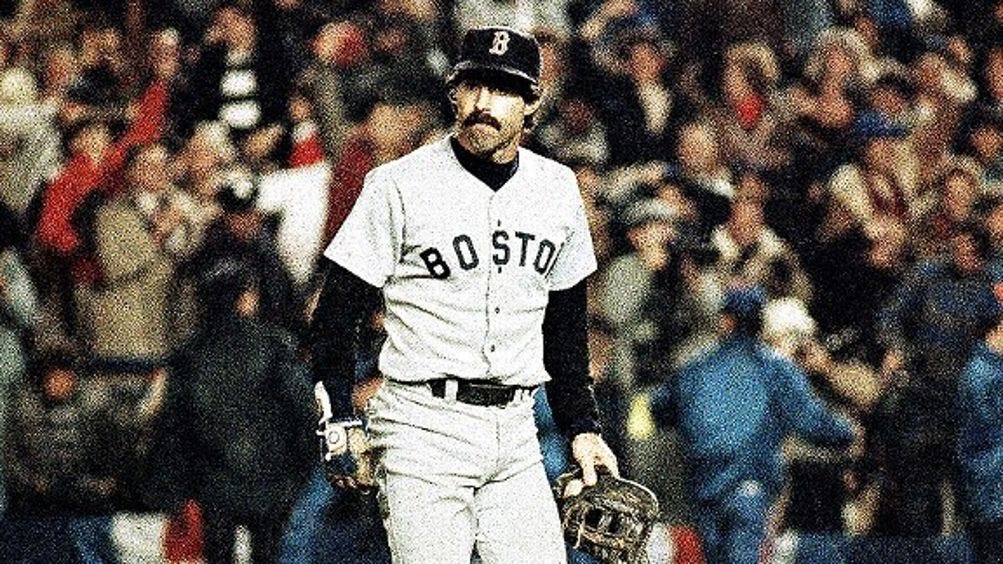
Today is the 40th anniversary of the “Buckner game”.
Game Six of the 1986 World Series remains one of the most iconic sports moments in my lifetime. Up three games to two in the series, and 5-3 with two and nobody on in the bottom of the tenth, the Boston Red Sox were an out away from defeating the New York Mets to win their first World Series in sixty-eight years.
Then, from a clear sky, came the rain. A two-out single. Another hit put the tying run aboard. A third one made it a one-run game and put the winning run at third.
Red Sox pitcher Calvin Schiraldi looked terrified, like a cheating husband watching his wife reading his texts. Bob Stanley replaced him, and threw a wild pitch that tied the game. He then induced the slow grounder that “gets thru Buckner”, and won the game (and ultimately the Series) for the New York Mets.
Buckner didn’t lose the game. He just absorbed the blame, and spared Schiraldi and Stanley the depth of infamy he’s unfairly received. At the risk of losing every subscriber in New England, here’s the bottom of that tenth inning (which also reminds us what a brilliant broadcaster Vin Scully was):
This was one of those moments baseball fans not only remember; they remember where they were. I was a student at Georgia Tech, and had just watched the Yellow Jackets defeat Tennessee at Grant Field.
After post-game celebrations, we walked from the stadium to the Student Center, where a crowd assembled around a TV. Game Six was about to start.
We were in Atlanta where, at that time, most of us were still Southerners. Few had a rooting interest in either team. Yet a couple dozen viewers surrounded the screen and saw every inning. It was the World Series, and most Americans watched it… from the edges of their seats.
Recalling this reminds me how much I miss baseball mattering. Like almost every other sport, the people running it have done their best to ruin it… with too many divisions, interleague play, sprawling playoffs, bigger bases, instant intentional walks, prohibiting the shift, runners on second in extra innings, and other stupid gimmicks to juice offense or shorten games.
To attract TV dollars and marginal “fans”, these “fixes” sacrificed the best parts of the sport. Like politicians passing new laws to clean up messes they’d previously made, most “improvements” keep making things worse.
Except among mediocre teams, pennant races are relics of the past. By the last month of the season, the best teams know they’re in the playoffs. The only stakes in September are for seeding and which middling squad gets the sixth spot.
Expanded playoffs were meant to enhance interest in more cities late in the season. To that extent, I guess it was successful. But as with mortgage bonds or college admissions, the product declines when weaker components are included.
Baseball isn’t meant for an expansive “post-season”. In this sport in particular, the worst team can beat the best on any given day. A short series can always go either way, so a long schedule is required to sift the top team from each league.
Like a 200 day moving average, playing almost every night for six months smooths the inevitable streaks and slumps that can disguise quality. But what’s the point of that grind when more than a third of the teams survive it anyway?
In baseball (especially among the top third of teams) anyone can win a short playoff series, which undermines the purpose of a lengthy regular season. After the playoffs drag on thru several rounds, the World Series is almost an afterthought… especially if a couple of the weaker teams get in.
The Fall Classic used to be like the Super Bowl. Everyone watched it. The Buckner game is iconic not only for what happened, but because we all saw it. Now, outside the two cities involved, does anyone even know the World Series is underway? I hear no one talking about it.
The World Series now draws about a third the viewers it did forty years ago. It once drew about half the audience of a Super Bowl. It now receives about that of a marquee regular season NFL game.
Such a dramatic decline can be partly attributed to changing tastes, societal trends, and an exponential increase in viewing options. But much of the drop is caused by damage Baseball’s “caretakers” did to the sport.
No doubt Bill Buckner would’ve wished they’d done it sooner.
JD
Right on the money.